


About à¤à¤¦à¥à¤¯à¥à¤à¤¿à¤ शà¥à¤®à¤¶à¤¾à¤¨ फरà¥à¤¨à¥à¤¸
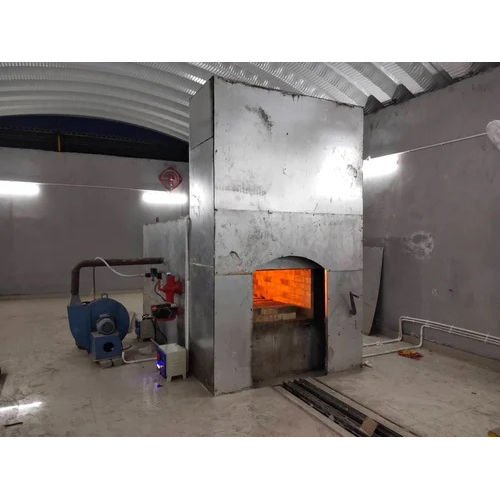
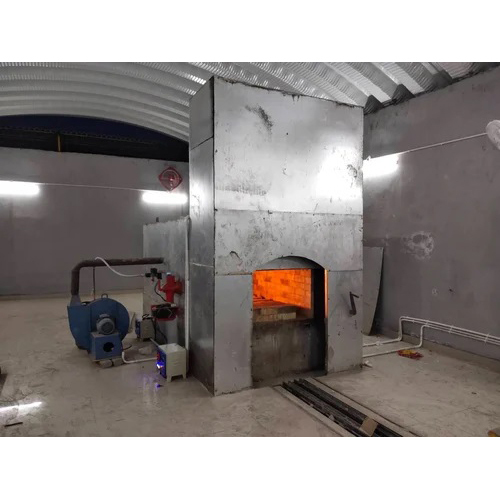
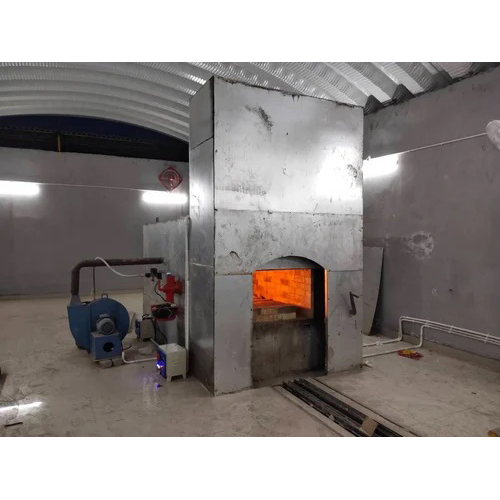
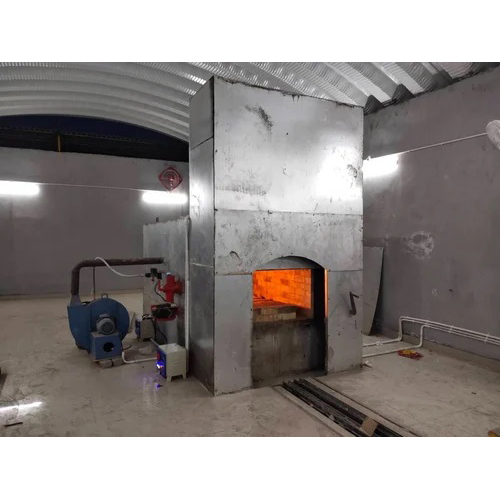
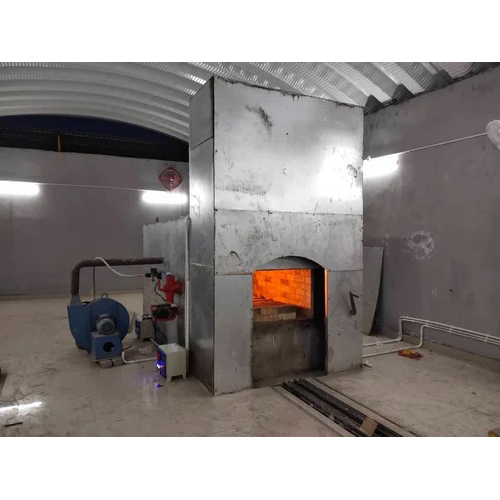
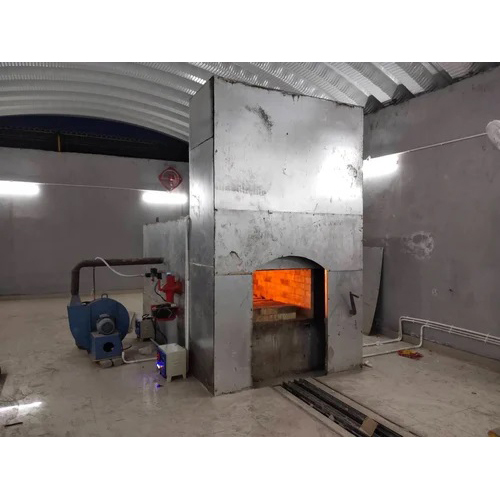
Here the body of the deceased is placed with due care into a specialized equipment called a retort, which is fuelled by either natural gas or propane. When in use, the interior of the retort reaches temperatures up to 1300 C. The intense heat helps reduce the body to dried bone fragments.Advanced Emission ControlOutfitted with a sophisticated in-built scrubber and filtration system, this cremation furnace fully complies with local air quality regulations. The afterburner further ensures the destruction of pollutants, guaranteeing safer and cleaner operation within industrial environments.
Precision Automation and SafetyOperating on a PLC-based control panel, the furnace offers automatic or semi-automatic functioning, streamlining processes and minimizing manual intervention. The automatic ignition system and rapid cool-down capabilities under two hours add layers of safety and productivity to your workflow.
Customizable to Industry NeedsManufactured and supplied in India, this furnace features customizable dimensions and capacities to suit varied client requirements. Whether you require electric, gas, or oil as a fuel source, our solutions are tailored for optimum performance and integration into existing processes.
FAQ's of Industrial Cremation Furnace:
Q: How does the in-built scrubber and filtration system benefit the furnace's operation?
A: The integrated scrubber and filtration system helps minimize air pollution by efficiently removing harmful particulates and gases from emissions, keeping the flue gas output within local government regulation limits. This not only ensures environmental compliance but also supports safer workplace conditions.
Q: What is the recommended process for operating the cremation furnace?
A: Operation is controlled via a user-friendly PLC panel, allowing for automatic or semi-automatic functions. Start-up is managed by an automatic ignition system, after which the furnace manages temperature cycling up to 1200C. The system supports a quick cool-down, enabling efficient batch processing.
Q: When should regular maintenance be performed for optimal performance?
A: Routine maintenance, such as inspection of refractory linings, cleaning of the scrubber and filtration units, and calibration of the PLC control system, should be scheduled as per manufacturer guidelines, typically every 6-12 months, ensuring long-term reliability and efficiency.
Q: Where can this cremation furnace be installed?
A: Installations are suitable for a wide range of industrial environments, including factories, heat treatment plants, and facilities requiring high-efficiency waste management solutions. The furnace's design allows for customization to accommodate site and process requirements across India.
Q: What fuels can be used with this furnace model?
A: The unit is compatible with electric, gas, or oil as primary fuels, providing flexibility according to resource availability, operational costs, and infrastructure.
Q: How does the high thermal efficiency impact energy consumption?
A: High thermal efficiency ensures maximum heat is used productively, minimizing fuel consumption and reducing operational costs over time. The advanced design conserves energy while maintaining optimal performance.
Q: What are the key benefits of choosing a PLC-based automatic cremation furnace?
A: A PLC-based furnace offers enhanced process control, improved safety through automation, customizable program settings, and data monitoring. This leads to reduced operator error, increased system reliability, and smooth integration with existing industrial workflows.